Monday, 6 February 2023

Creationism in Crisis - Evolution of Wheat Since the Neolithic

Creationism in Crisis

Evolution of Wheat Since the Neolithic
Awned wheat, similar to that grown for 10,000 years since first cultivated in the Neolithic

Mesopotamian wheat cultivation
The cultivation of cereals such as wheat represented a turning point in the progress of human civilisation (cylinder seal from Uruk, 3.200 BCE).
Evolution of wheat spikes since the Neolithic revolution - Universitat de Barcelona

The evolution of cultivated wheat presents challenges most Creationists will avoid if possible. The first and perhaps most obvious challenge is why has wheat needed to be improved by cultivation and human selection if, as Creationists believe, it was created by a perfect, omniscient designer for the benefit of humans? Did the designer not foresee the future needs of humans or anticipate the problem of feeding a large population from a crop with inadequate yields?

The second is that fact that, despite the ludicrous Creationists' insistence that the Theory of Evolution (TOE) is a theory in crisis, and about to be overthrown as a scientific theory by their superstition, including magic and an unproven magical entity, the only viable explanation for the changes which have occurred over time is selection by human agency, in other words a form of accelerated evolution by natural selection and primitive genetic engineering by people who knew nothing of genetics, just like the natural environment.

Awnless wheat
Awnless wheat, similar to that which first appeared about 2,000 years ago.
Archaeological records show that, for about 10,000 following the first cultivation of wild wheat in Mesopotamia about 12,000 years ago, wheat grains had long awns, then about 2000 years ago, wheat diversified into awned and awnless or very short awned varieties.

Clearly, given the length of time awned whet was grown, there was not strong selection for awnless wheat, so why did the different varieties evolve, apparently suited to different environmental conditions. This was the question a study, published in the journal Trends in Plant Science, co-led by the University of Barcelona, the Agrotecnio centre and the University of Lleida, set out to answer. Creationists might note that nowhere does magic or a magic entity appear in the explanation, which depends in its entirety on the workings of the TOE.

The research and its significance are explained in a University of Barcelona news release:

The Humble Earwig - Not a Pest But a Kind And Caring Insect

The Humble Earwig

Not a Pest But A Kind and Caring Insect
Forficula auricularia

Earwigs are the hero single mothers of the insect world – and good for your garden too

Of the more than 1000 species worldwide, only four are native to the UK, with a further three introduced species.

Earwigs are often regarded as garden pests because they can and sometimes do, damage growing plants and soft fruits such as strawberries, but what is not generally recognised is that they are predators on much more destructive pests such as aphids.

But there are a few things about these fascinating insects that mean they should command our respect and protection by leaving them undisturbed.

How Science Works - Changing Minds When the Evidence Changes

How Science Works

Changing Minds When the Evidence Changes
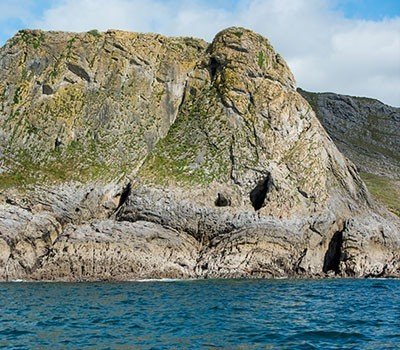
Auditorium Cave near Bhopal, India
Credit: Joe Meert

Mistaken fossil rewrites history of Indian subcontinent for second time - News - University of Florida

It's a source of embarrassment to the scientists concerned, and no doubt a small crumb of comfort to those anti-science extremist propagandists trying to fool scientifically illiterate simpletons into thinking science is unreliable, that scientists have discovered a major mistake.

To those who understand science and how scientific opinion is always contingent and subject to revision and where nothing is ever cast in tablets of stone; where the only certainty is that there are no certainties, it is always rewarding and reassuring when mistakes are discovered and corrected because this shows the scientific method is working.

Just such an example came to light recently when scientists revisited the site where a fossil, thought at the time it was first discovered to be highly significant, had been found. What they discovered was that the ‘’ not only was nothing of the sort, but was actually in an advanced state of decay and peeling off the wall of the cave in which it had been found about a year earlier - things no self-respecting fossil should be doing.

It turned out that the 'fossil' was the recent remains of a wild honeybee (Apis dorsata) hive which, when discovered, bore a remarkable resemblance to an Ediacaran fossil, Dickinsonia tenuis, only previously known from South Australia. The implications for the age of the rock formation in which it was appeared to solve the problem of accurate dating of the rock formation and its origins in the ancient supercontinent, Gondwanaland, some 550 million years ago.

Sunday, 5 February 2023

Secular News - UK Now a Majority Non-Christian Country

Secular News

UK Now a Majority Non-Christian Country

Religion, England and Wales - Office for National Statistics

For the first time in a census of England and Wales, less than half of the population (46.2%, 27.5 million people) described themselves as “Christian”, a 13.1 percentage point decrease from 59.3% (33.3 million) in 2011; despite this decrease, “Christian” remained the most common response to the religion question.

Pie chart of major religions UK 2021
The main England & Wales religious demographics
Source: ONS
Figures released recently by the UK Office of National Statistics (ONS) show that in the 2021 census, in answer to a voluntary question, less than half (46.2%) of the 56.0 million people who answered (94%) self-identified as 'Christian'. This represents a 13.1 percentage point decrease from the figure for 2011 for the same voluntary question.

The second most common answer was 'no religion', up by 12 percentage points from 25.2% (2011) to 37.2%.

Religious Abuse - How Religion Deprives Children of Their Human Rights in Northern Ireland

Religious Abuse

How Religion Deprives Children of Their Human Rights
in Northern Ireland

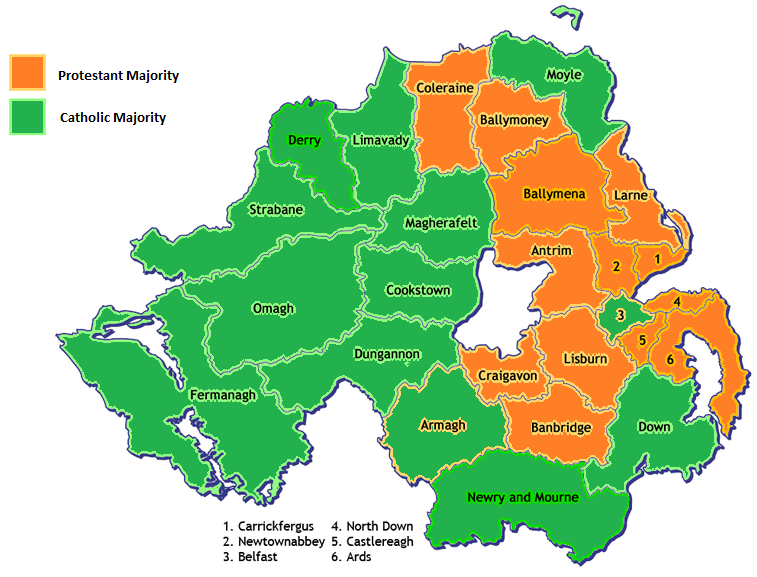
Political map of Northern Ireland
Political divide in Northern Ireland
Reports: Rights of children in NI undermined by religion - National Secular Society

Reports recently submitted to the United Nations Committee on the Rights of the Child (UNCRC) by the Northern Ireland based child rights advocacy group, The Children's Law Center (CLC) demonstrate how religion continues to poisoning community relations, maintain divisions and hostility and deprive people of basic human rights, in Northern Ireland.

Despite years of progress following the end of the 'troubles' with the 'Good Friday' Belfast Agreement and the establishment of a power-sharing executive to administer devolved political power, the major source of intercommunal tension continues to be religion. The single most important barrier to the removal of religion as a source of hostility is the de facto segregation of primary and secondary education because of the insistence by the main Christian churches that they are not only influential in, but have control of education.

Despite a poll in 2012 which showed that 71% of the people of Northern Ireland believe an integrated education system should be the "primary model for the education system" and a 2016 UNCRC recommendation that Northern Ireland "actively promote a fully integrated education system" to facilitate "social integration, 93% of children in the province still attend faith schools while the few fully integrated schools can't meet the demand. In effect, parents have no choice but to send their children to be indoctrinated into one or other of two mutually hostile camps.


In 2016, the UNCRC also recommended ending the legally mandated collective worship in Northern Ireland schools where, unlike in England and Wales, even children over the age of 16 have no right to withdraw themselves from collective worship. Last year the High Court in Northern Ireland agreed that this situation is incompatible with the European Convention on Human Rights. Although parents can withdraw their children from collective worship, the process is often difficult, and children rarely receive an alternative period of equal educational value. Children are also required to reveal details of their beliefs, in violation of their right to privacy, and often face stigmatisation and prejudice.

As part of their religious education syllabus, faith schools are permitted to include their religion's orthodox teaching on relationships and sex education, leaving LGBTQ+ students feeling that they are the victims of homophobic bullying and demonisation, again in violation of their basic human rights.

There is no requirement for Northern Ireland's schools to teach evolution in science class and, unlike in England, where state-funded schools are forbidden from teaching scientifically discredited superstitions like creationism and intelligent design as science, no such bar exists in Northern Ireland where creationism in its various forms can be presented to children as a valid alternative to the scientific view, and the Christian Bible can be taught as real science and history.

Indeed, the state is complicit in misleading children and depriving them of a sound, evidence-based education, or an objective view of religions, because schools are required to teach RE "based on the holy scriptures", with the syllabus designed by the "four main Christian churches", without non-religious, or non-Christian input. Religions besides Christianity are described as "other religions", illustrating Christianity's privileged position. There is no provision to objectively evaluate the claims of the various religions or make an meaningful comparison between them and the non-religious view of the world.

Despite the diminishing role and influence of religion in both the Republic of Ireland and the United Kingdom, religion continues to hold sway in Northern Ireland, and in doing so, continues to foment and encourage intercommunal tension and strife while pretending to be peacemakers. Clearly, the interests of the priests and the churches is paramount and the interests of the people comes way down the list of priorities.

Wednesday, 1 February 2023

Creationism in Crisis - Leading Scientist Still Reject God

Creationism in Crisis

Leading Scientists Still Reject God
"Adam and Eve,” detail, by Giulio Clovio, 1546
from the Book of Hours of Cardinal Alessandro Farnese.
Pierpont Morgan Library,
New York City, USA


Leading scientists still reject God | Nature

I'm grateful to David Edwards whose comment on my blog post, Creationism in Crisis - How the Bible Narrative Misled 19th Century Palaeontologists drew my attention to this correspondence published in Nature a few years ago.

It is yet more bad news for those few dupes who still believe the absurd Creationist lie that the Theory of Evolution is a theory in crisis and about to be replaced by their childish superstition complete with magic and unproven supernatural entities.

In their correspondence, the authors, Edward J. Larson, of the Department of History, University of Georgia, Athens, Georgia, USA and Larry Witham of Burtonsville, Maryland, USA, report on the findings of a survey which shows that disbelief [in a god] is almost total amongst "top natural scientists".

The authors repeated the survey conducted in 1914 by the eminent psychiatrist, James H. Leuba, in which he found that 58% of 1000 randomly selected scientist expressed doubt or disbelief in the existence of God and that this figure rose to near 70% among the 400 "greater" scientists in his sample.

On repeating his survey 20 years later in 1933 (published in 1934), Leuba found that these percentages had risen to 67 and 85, respectively. He attributed this higher level of disbelief in the "greater" scientists to their "superior knowledge, understanding, and experience". This view was echoed by Peter Atkins of Oxford University in his comment on Larson's and Witham's 1996 paper, in which he said, "“You clearly can be a scientist and have religious beliefs. But I don't think you can be a real scientist in the deepest sense of the word because they are such alien categories of knowledge.”

It was in response to this and similar comments that Larson & Witham decided to rerun the second phase of Leuba's study to compare the religious beliefs of "greater" and "lesser" scientists. They defined "greater" scientists as those belonging to the US National Academy of Sciences:

Tuesday, 24 January 2023

Creationism in Crisis - How the Bible Narrative Misled 19th Century Palaeontologists

Creationism in Crisis

How the Bible Narrative Misled 19th Century Palaeontologists

Reconstruction of the ceremonial burial
Credit: Natalia Klimczak
© National Museum of Wales

Paviland Cave, Gower, South Wales
Paviland Cave (Goat’s Hole), Gower Peninsula
Red Lady of Paviland: the story of a 33,000 year-old-skeleton – and the calls for it to return to Wales

The significance of the discovery of human remains in a Welsh cave almost exactly 200 years ago to the day, on 18 January, 1823, was entirely missed because the Oxford University Palaeontologist, William Buckland, was also an Anglican priest who believed the Bible to be the inerrant word of a creator god and so literal history.

Today, this is something only believed by scientifically illiterate Creationists and those made too afraid by childhood indoctrination to question it or acknowledge the evidence to the contrary.

After changing his mind several times, Buckland concluded on scant evidence that the skeletal remains were that of a female prostitute who had drowned in the Biblical flood and whose body had got washed into the cave along with the other animal remains found there, because this was the only way he could think of to fit the facts into the Bible narrative.

In fact, the body is that of a man of about 25-28, who died about 33,000 years ago and so is the earliest example of a ceremonial burial in Western Europe. In taking the remains, together with the artifacts found with them, back to Oxford and failing to recognise their cultural significance to Wales, he so deprived Wales of a cultural icon.

The story of how the Bible, or rather the mistaken belief that the Bible is literal history, mislead 19th Century palaeontologists is told by Ffion Reynolds, Honorary Research Fellow, and Jacqui Mulville, Professor in Bioarchaeology and Head of Archaeology and Conservation, both of Cardiff University, in an article in The Conversation. The article is reprinted here under a Creative Commons license, reformatted for stylistic consistency.

Monday, 23 January 2023

Creationism in Crisis - Humans Carry Traces of Ancestral Species

Creationism in Crisis

Humans Carry Traces of Ancestral Species
A reconstruction of the permian synapsid
Dimetrodon grandis

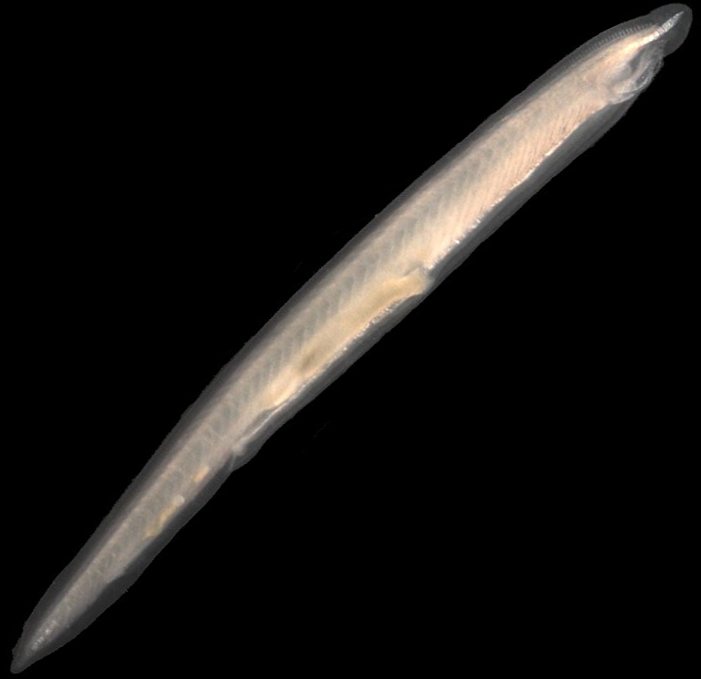
Branchiostoma lanceolatum

We can still see these 5 traces of ancestor species in all human bodies today

Your genes haven't always been human. In fact most of them have spent far more time not being human than they have being human.

This is because you inherited them from your parents and their parents before them, going right back to before your ancestors were human; before they were mammals, before they were vertebrates, and even before they were multicellular organisms.

To quote from my book, What Makes You So Special? From the Big Bang To You:
You are the product of billions of passes through the sieve of selection and at every pass your gene-line passed the fitness test. Your genes are good at surviving; and you are unique in the history of the cosmos. The likelihood of you being alive at all is almost vanishingly small and yet here you are. Never before has anyone with your combination of genes, your collection of atoms and your history existed.

And you never will again.

Almost all your genes have spent much longer being something else than they have being human. Your ancestors were there when Europe and Africa split off from the Americas. They were there as small mammal-like reptiles when dinosaurs ruled the earth. They saw pterodactyls flying overhead. They survived the mass-extinction which ended the dinosaurs’ reign and they saw the birds and the bats grow wings and take to the air.

Your ancestors swam in the Cambrian seas and crawled out onto the land as early air-gulping fish destined to become four–legged animals with lungs. Your ancestors lived through the Carboniferous era when dense forests of tree ferns grew in steaming jungles where dragonflies with meter-wide wings flew. They saw the trees fall and form the piles of vegetation destined to be coal as the climate changed and the Carboniferous forests collapsed. They saw the first flowering plants as plants and insects formed their mutual-benefit society.

Your ancestors lived through the first great toxic waste disaster when the cyanobacteria produced oxygen and triggered a mass extinction; and they learned to turn it to their advantage by evolving aerobic respiration.

Your ancestors were bacteria; maybe they were archaea; they may have been the strange Ediacarans which were the earliest known multi-cellular organisms. In almost every one of your cells, in your genes, you carry a record of your evolution, of the entire human evolution story, and of a great deal of the evolution story of every other living thing.

Your journey through space and time has been an adventure of disasters, adaptation, survival and recovery, many, many times you will have been on the brink of extinction - the fate of 99% of all known ancient species - yet your ancestors survived and because they were good at surviving you are here and now.
In the following article, reprinted from The Conversation under a Creative Commons licence, Alice Clement, Research Associate in the College of Science and Engineering, Flinders University, Australia, identifies five key features we have inherited from remote ancestors. These are:
  1. Bipedal walking, including changes to our pelvis - inherited from archaic hominins.
  2. Openings in our skull, inherited from our synapsid ancestors, which includes relatives of the Dimetrodon.
  3. Five fingers and toes, inherited from our fish ancestors that first emerged onto land.
  4. Teeth, inherited from early jawed fish from the Silurian, about 14 million years ago.
  5. The spinal chord and vetebrae, inherited from early chordates which evolved a 'notocord', some 500 million years ago.
The original article has been reformatted for stylistic consistency.

Sunday, 22 January 2023

Malevolent Designer News - How Creationism's Divine Malevolence Capriciously Choses Random Victims

Malevolent Designer News

How Creationism's Divine Malevolence Capriciously choses Random Victims

Study reveals new genetic disorder that causes susceptibility to opportunistic infections | VUMC Reporter | Vanderbilt University

Creationists are obliged by the dogma of their cult to believe that nothing in genetics happens by chance, so everything about an individual’s genetic makeup is the deliberate creation of their putative designer. Indeed, this creator choses the exact sperm that will fertilise the ovum to produce the intended individual complete with the precise genetic makeup of that individual, including any mutations that arise in the creation of the sperm and ovum.

So it must come as something of a shock to creationists to discover that their putative creator appear to randomly create individuals with genes that predispose them to genetic defects and illnesses that mean they will inevitably suffer through no fault of their own, and apparently regardless of how they have lived their lives. In fact, since these are inherited at conception, the predisposition must be at the capricious will of the creator of it.

One such genetic condition was recently discovered by an international team of researchers co-led by immunogeneticist Rubén Martínez-Barricarte from Vanderbilt University Medical Center who have discovered a new genetic disorder that causes immunodeficiency and profound susceptibility to opportunistic infections including a life-threatening fungal pneumonia.
The consortium's finding is reported, open access, in Science Immunology.

According to a news release by Bill Snyder of Vanderbilt University:

Evolution News - Neanderthals In France Unaffected by Climate Change

Evolution News

Neanderthals In France Unaffected by Climate Change
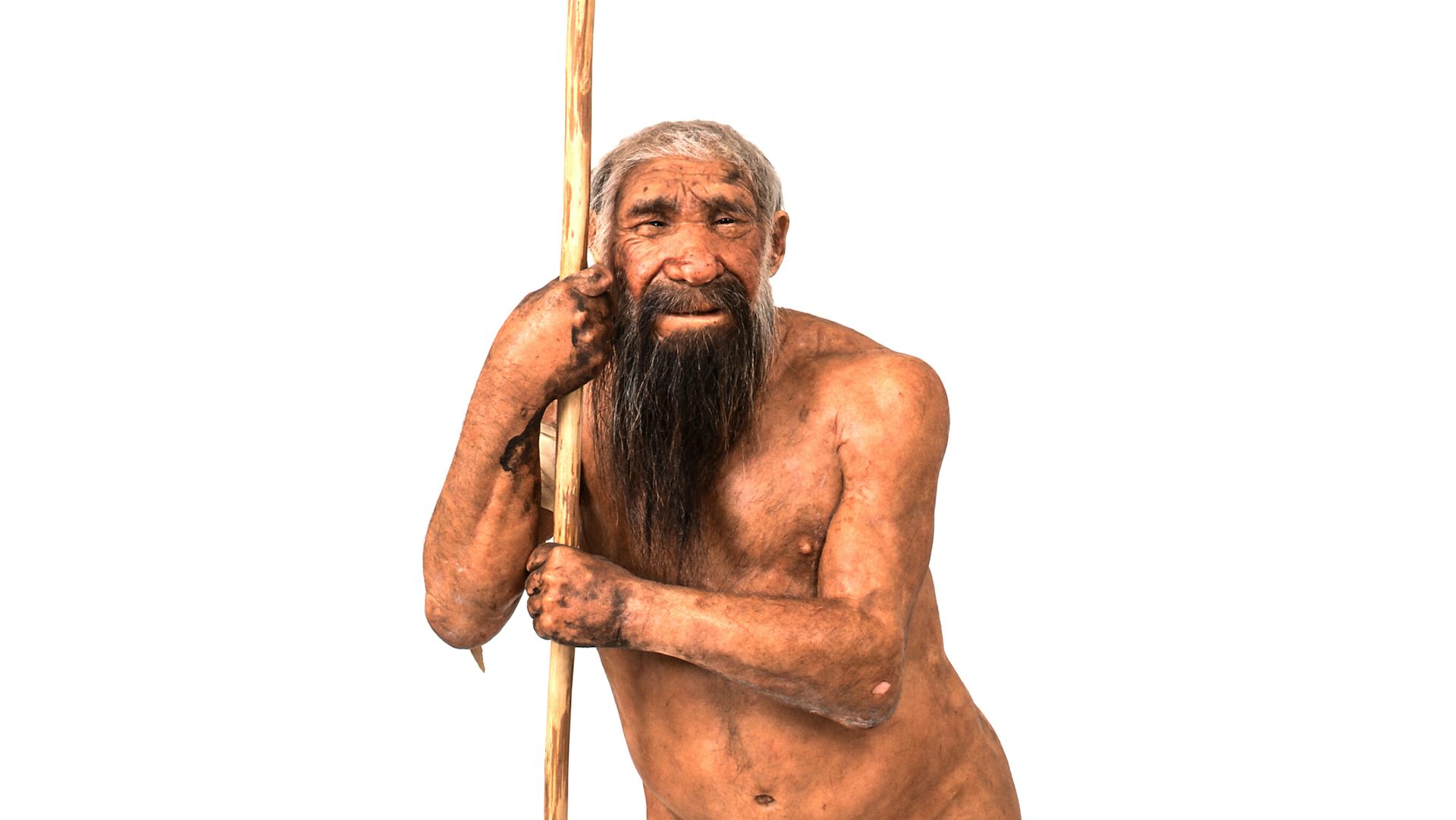
Artist's representation of Neanderthals hunting a mammouth

Spear in hand

Credit: Matteo De Stefano/MUSE, CC BY-SA
In the Neanderthal site of Combe-Grenal, France, hunting strategies were unaffected by changing climate: Hunted animals at Combe-Grenal consistently came from open tundra-like habitats -- ScienceDaily

In a very neat example of how much information can be obtained by forensic examination and deductive logic, a team of paleoarchaeologists have shown that because climate change, profound though it was at times, never changed the food or distribution of the animals they hunted, Neanderthals in France never needed to change their hunting strategies.

This conclusion was arrived at after examining the microwear on the surface of the teeth of the remains of hunted animals found at the Combe-Grenal site in France. This microwear showed that, during the few weeks before they were killed, they ate the same vegetation regardless of the climate on the European tundra as the climate fluctuated widely during the Middle Palaeolithic from around 150,000 to 45,000 years ago when Neanderthals intermittently occupied the site.

The scientists' findings are published open access in PLoS ONE.

According to information supplied by PLOS:

Biodiversity News - In The Chinese Year of the Rabbit, Several Related Species are Endangered

Biodiversity News

In The Chinese Year of the Rabbit, Several Related Species are Endangered
European brown hare, Lepus europaeus

European hare,
In the Year of the Rabbit, spare a thought for all these wonderful endangered bunny species

The once common European brown hare, Lepus europeaeus has declined by 80% in the UK in recent years, and, as the Chinese year of the Rabbit is about to begin, it's not the only threatened species of the order Lagomorpha, to which rabbits, hares and other related species belong.

In the following article, reprinted from The Conversation under a Creative Commons license, Emma Sherratt, Senior Research Fellow in Ecology & Evolutionary Biology, University of Adelaide, Australia, list just a few of the 108 lagomorphs, two-thirds of which were already threatened by climate change. Now the number endangered has risen from 13 to 16.

Her original article has been reformatted for stylistic consistency.

Friday, 20 January 2023

Evolution in Crisis - Wild Animals Are Evolving Faster Than Anybody Thought

Creationism in Crisis

Wild Animals Are Evolving Faster Than Anybody Thought
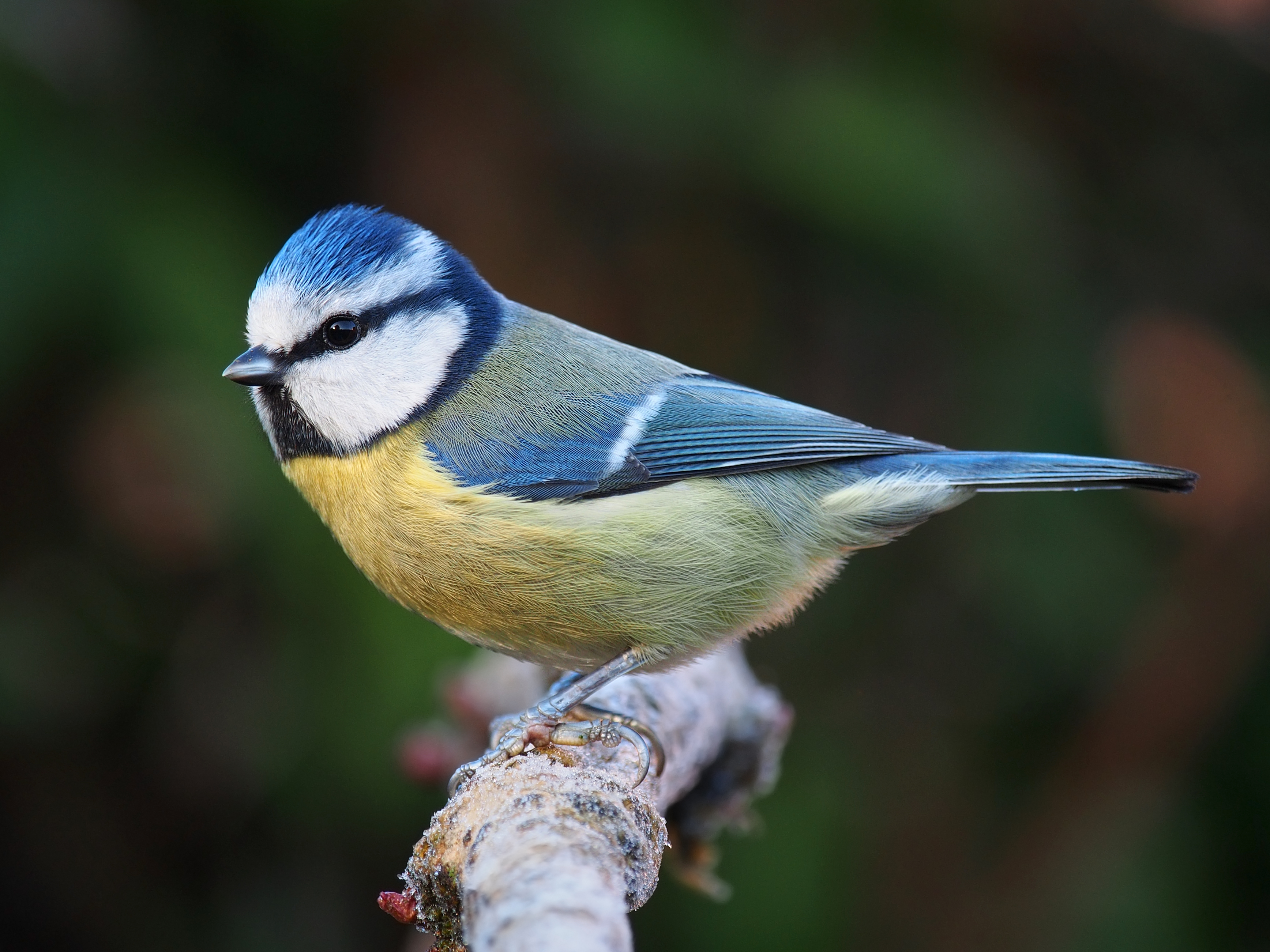
Eurasian blue tit, Cyanistes caeruleus

Great tit, Parus major
Great tit, Parus major, one of the species studied

Wild animals are evolving faster than anybody thought

In a paper published in Science last May, a team of research biologists led by Timothée Bonnet of the Australian National University presented evidence that should create consternation and anguish amongst Creationist frauds intent on convincing their cult members that the Theory of Evolution is somehow in crisis and being increasingly rejected by research biologists in favour of their childish origin myth. It reports the finding that evolution is proceeding even faster than anyone previously thought.

Of course, the definition they used for evolution is the standard scientific one of change in allele frequency over time, not the absurd Creationist notion that it means one species suddenly changing into another, or even organisms changing into humans via a few 'intermediate species'.

One of the studies, on great tits, was carried out just a stones throw from where I live, in Wytham Wood, near Oxford, one of the most intensively studied areas of woodland in the world, belonging as it does to Oxford University. The research and its significance were reported in an article in The Conversation written by lead author, Timothée Bonnet, researcher in evolutionary biology (DECRA fellow), Australian National University. The article is reprinted here under a Creative Commons licence. It is reformatted for stylistic consistency.

Creationism in Crisis - Watching Evolution Down Under

Creationism in Crisis
Watching Evolution Down Under

Could feral animals in Australia become distinct species? It's possible – and we're seeing some early signs

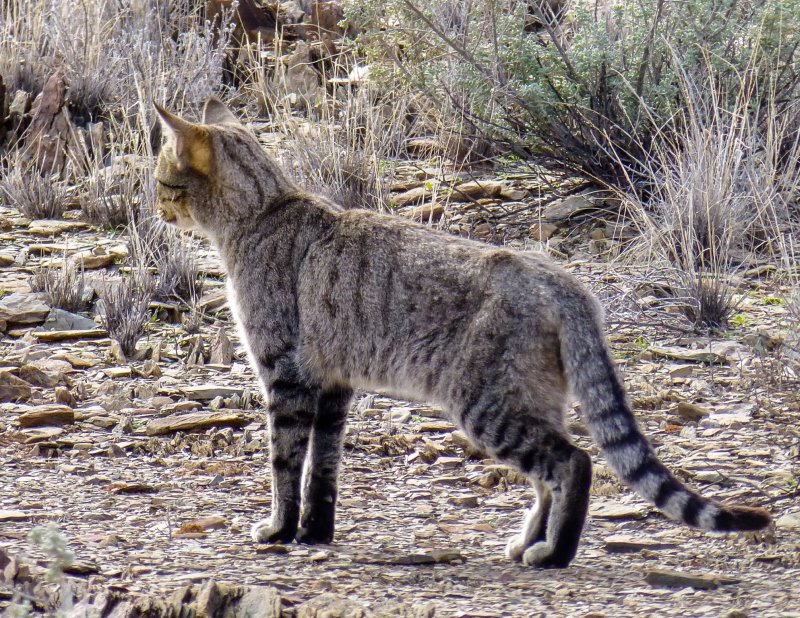
Australian feral domestic cat
Australian feral domestic cats are getting bigger
Evolution is defined as change in allele frequency in a population over time. It is not a single event but a slow process which often needs a long period of time to be observed. Speciation may be the incidental result of this process of change over time but it is not the purpose of it, nor is it required for evolution to be occurring.

It doesn't seem to matter to a Creationist that observable examples of evolution in progress, in other words, examples of observed change in allele frequency in the population over time, can be found throughout nature, because they will simply dismiss it by redefining evolution as the childish notion of a sudden change of one species into another. So, for example, evolutionary changes in Australian feral domestic cats will be dismissed as, "But they're still cats!"

In fact, feral domestic cats are not the only species that can be observed evolving in Australia where a combination of the founder effect, genetic drift and natural selection in the unique Australian environment are causing introduced species to diverge from their ancestral species. In the following article, Bill Bateman, Associate professor, Curtin University, Perth, Western Australia, describes a number of examples of observable evolutionary change.

Creationists who have been fooled into believing that evolution is a theory in crisis and biologists are abandoning it in favour of their childish superstition including magic and a supernatural entity should note the complete lack of any evidence for that idiotic notion. The article describes evolutionary changes and the causes of them which are entirely consistent with the scientific Theory of Evolution. No-where are magic or supernatural entities invoked to explain the observations.

The article is reprinted from The Conversation under a Creative Commons license, reformatted for stylistic consistency.

Monday, 16 January 2023

Creationism in Crisis - How Humans Evolved to Live in Cold Climates

Creationism in Crisis

How Humans Evolved to Live in Cold Climates
Most humans haven't evolved to cope with the cold, yet we dominate northern climates – here's why

Turku, Finland in Winter

Jarmo Piironem/Eyem/Getty Images
With the exception of only a few, relatively minor, changes to our genome, such as loss of skin pigmentation and changes to hair and eye colour, and the ingression of Neanderthal and Denisovan genes, non-African humans differ little from the first Homo sapiens to venture out of Africa, where they had evolved as a tropical species. Today, humans are the only Great Ape to live outside of the tropics.

And yet we have managed to live in northern climates with shorter days in winter and sub-zero temperatures in which the earliest members of our species would probably not survive a night without special measures.

With our physical and physiological makeup differing so little from our African forebears, what has enabled us to survive in these hostile conditions to which we were so mal adapted? The answer is that an additional layer of evolution is operating alongside genetic evolution - memetic, or cultural, evolution - so-called gene-meme co-evolution.

Memetic evolution has taken us from the bands of hunter-gatherers huddled round a campfire and sheltering in caves and rock overhangs, to a modern urbanised, hi-tec species living in centrally heated buildings or dressing in warm clothing and entirely dependent on science and technology for our survival. Put us naked out in the open on a cold winter night and few of us would survive, let alone thrive, and survival without cloths and shelter would be impossible on the arctic tundra even in summer.

In the following article, reprinted from The Conversation, Laura Buck, Lecturer in Evolutionary Anthropology, and Kyoko Yamaguchi, Senior Lecturer in Human Genetics, both of Liverpool John Moores University, explain how we and our cousin species, the Neanderthals adapted to the very non-African conditions they found themselves in.

The article has been reformatted for stylistic consistency; the original can be read here.
Web Analytics