Religion, Creationism, evolution, science and politics from a centre-left atheist humanist. The blog religious frauds tell lies about.
Monday, 31 March 2025
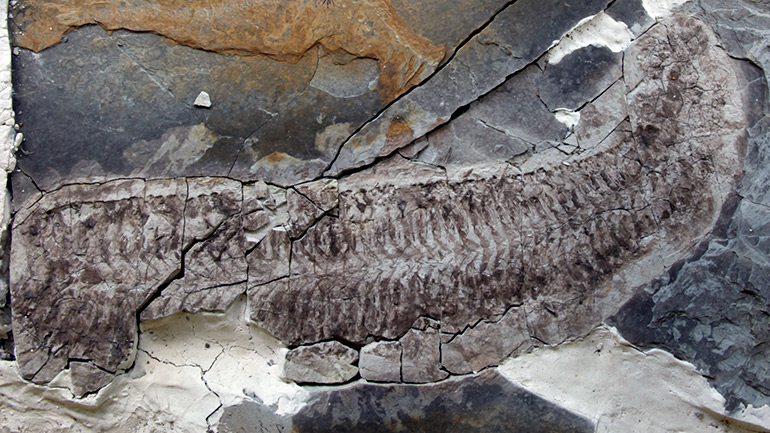
Refuting Creationism - A Exceptionally Detailed Fossil - From 440 Million Years Before 'Creation Week'
New species revealed after 25 years of study on ‘inside out’ fossil – and named after discoverer’s mum | News | University of Leicester
A major problem for creationists who cling to the delusion that Earth was magically created only 6,000 to 10,000 years ago is that this timescale leaves approximately 99.9975% of Earth's actual history unaccounted for. Consequently, there is an overwhelming abundance of evidence contradicting their beliefs. To maintain their position, creationists are forced to rely on increasingly elaborate mental gymnastics to dismiss the clear indications of an ancient Earth within an even older Universe—evidence consistently revealed and verified by multiple scientific disciplines, including palaeontology and geology.
Labels:
Biology
,
Evolution
,
Fossils
,
Palaeontology
,
Refuting Creationism
,
Science
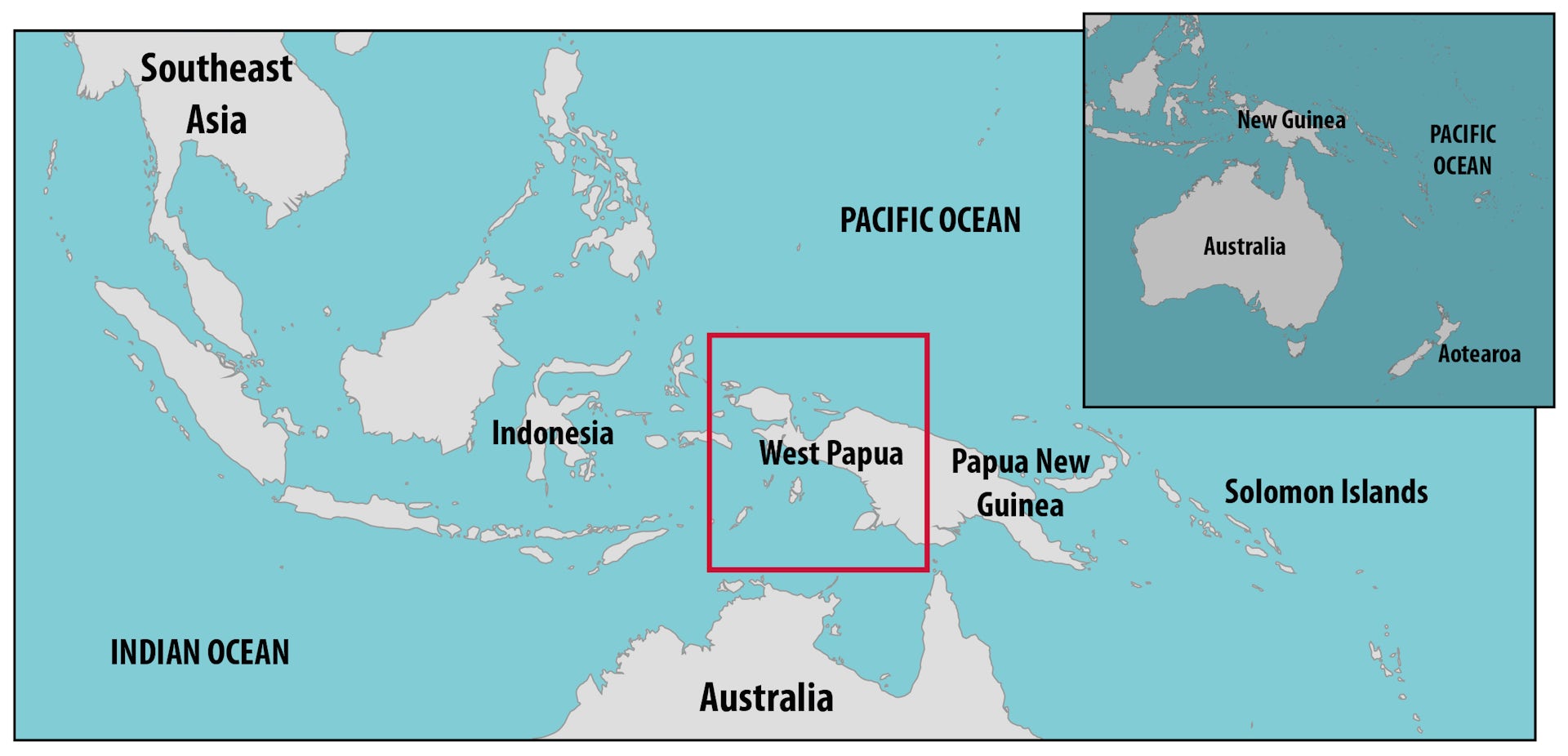
Refuting Creationism - What Modern Humans Were Doing in West Papua - 40,000 years before 'Creation Week'
Rock paintings provide evidence of social change in West Papua.
Tristan Russell, CC BY-SA
Archaeological evidence shows that people migrating from Eurasia into the Australasian region came through West Papua.
Dylan Gaffney, CC BY-SA
According to the recently published book, West New Guinea: Social, Biological, and Material Histories, by Professor Dylan Gaffney and Marlin Tolla, modern humans had arrived in what is now West Papua at least 50,000 years ago.
This is approximately 40,000 years before young Earth creationists claim their proposed deity created a small, flat Earth beneath a dome in the Middle East, along with a man formed from dust and a woman from his rib as the founding couple of the human species.
As with approximately 99.9975% of Earth's history, the vast majority of human history occurred long before the supposed ‘Creation Week’. The established record of human origins and development differs so radically from the narratives found in the Bible and Qur’an that it is remarkable anyone still considers those texts to be authoritative accounts of history or science—or even credible allegories or metaphors for anything resembling reality.
Genetic evidence further shows that, during their migrations, the ancestors of modern Papuans interbred with now-extinct archaic humans known as Denisovans. As a result, while modern Eurasians typically carry around 2% Neanderthal DNA, many populations in Island Southeast Asia and Oceania—including Austronesian peoples—carry up to 3% Denisovan DNA.
The authors, Professor Dylan Gaffney and Marlin Tolla have published an account of the research that went into their book, open access in the online magazine, The Conversation Their article is reproduced here under a Creative Commons License, reformatted for stylistic consistency. The original can be read here.
Labels:
Anthropology
,
Archaeology
,
Evolution
,
Geochronology
,
Palaeontology
,
Refuting Creationism
,
Science
Sunday, 30 March 2025
Unintelligent Design - How The Badly-Designed Immune System Destroys Lungs
Scientists Discover Immune Cell Networks Driving Deadly Lung Disease | Rutgers University
Autoimmune conditions and allergies provide strong evidence for evolution over intelligent design by highlighting the imperfections and trade-offs inherent in the immune system. These disorders demonstrate how a system shaped by natural selection can prioritize short-term survival at the expense of long-term health, leading to vulnerabilities that are difficult to reconcile with the concept of a perfect designer.
Autoimmune diseases occur when the immune system mistakenly attacks the body’s own tissues. Examples include rheumatoid arthritis, lupus, multiple sclerosis, and type 1 diabetes.
The immune system must strike a delicate balance: it must be reactive enough to fight infections but tolerant enough to avoid attacking the body’s own cells. Evolution has shaped this balance, but it is imperfect. A hyperactive immune system, while better at combating infections, increases the risk of autoimmune diseases.
Now it's beginning to look like we must include the fatal lung disease known as idiopathic pulmonary fibrosis (IPF) to the long list of autoimmune conditions that stem directly from the facts that the immune system evolved and was not intelligently designed. Autoimmune diseases occur when the immune system mistakenly attacks the body’s own tissues. Examples include rheumatoid arthritis, lupus, multiple sclerosis, and type 1 diabetes.
The immune system must strike a delicate balance: it must be reactive enough to fight infections but tolerant enough to avoid attacking the body’s own cells. Evolution has shaped this balance, but it is imperfect. A hyperactive immune system, while better at combating infections, increases the risk of autoimmune diseases.
The very existence of the immune system should prompt creationists to reconsider several basic beliefs and especially claims made by leading proponents, such as Michael J. Behe. Behe suggests that pathogens and the diseases they cause result from 'genetic entropy', a degradation enabled by biblical 'Sin', which supposedly causes genomes to 'devolve', thus creating parasites and pathogens. Other creationists suggest an alternative viewpoint, attributing the existence of parasites and diseases to an evil designer, such as Satan - a claim which is regarded as blasphemous by fundamentalists for whom it is doctrine that there is only one creative entity - God.
In contrast, William A. Dembski argues that any 'complex specified information' (CSI) within the genome must originate from an intelligent designer, typically inferred — though seldom explicitly acknowledged by prominent creationists — as the God described in the Bible or the Qur'an. The genes that enable parasites to evade our immune defences are clear examples of what Dembski would term CSI, whereas Behe regards these genes as 'devolved' from an initially perfect creation.
However, neither Behe nor Dembski adequately addresses the question of who or what designed the immune system itself. Was it the same designer responsible for Dembski's complex specified information, or was it Behe's designer of an initial, perfect creation? If we consider Dembski's argument, it raises a critical question: where is the intelligence in designing an immune system to protect organisms against pathogens created by the very same designer? Regarding Behe's perspective, if the immune system were part of the initial perfect design, why would the designer anticipate 'The Fall' and its consequences unless it was intentionally planned? Alternatively, did all organisms possessing immune defences receive an upgrade after 'The Fall', indicating a supposedly omniscient deity initially failed to foresee the need for such protection? This then raises the question, is the designer either not omniscient or not competent, or did it plan for the 'Fall' and the suffering caused by parasites all along?
Not only are there these gaping flaws in creationism's attempts to account for the immune system within their own theology, including its failure to protect us and its propensity to attack us because the delicate balance referred to above is not robust enough or sensitive enough. The fact is that a perfectly designed immune system should make much of medical science redundant. However, the evidence continues to accumulate that the immune system, like the rest of biology is not the result of intelligent design but of an evolutionary process with all its inherent faults, constraints and inevitable suboptimal compromises.
Evidence strongly supporting the theory that IPF is the result of an autoimmune response by an over-sensitive immune system has been provided by a team of researchers led by Rutgers University, New Jersey, USA. Their findings are being published in the European Respiratory Journal and are described in Rutgers Today:
Labels:
Biology
,
Evolution
,
Health
,
Refuting Creationism
,
Science
,
Unintelligent Design
Saturday, 29 March 2025
Refuting Creationism - How New Genetic Information Arises - Naturally
Scientists uncover key mechanism in evolution: Whole-genome duplication drives long-term adaptation | Research
Evolved macroscopic "snowflake" yeast from the MuLTEE experiment. The large size of the nuclei (yellow) and cells (cyan) are results of whole-genome duplication and aneuploidy.
Credit: Ratcliff Lab
However, this interpretation demonstrates a misunderstanding of both thermodynamics and Shannon Information Theory, as well as how these concepts relate to genetic information. In reality, the creation of new genetic information can be readily observed each time cells replicate, as the total genetic content effectively doubles, The elements the 'information' is composed of are neither created nor destroyed in the process and, as the result of chemical processes, there is less energy in the system, so the laws of thermodynamics are conserved.
Gene duplication and entire genome duplication (polyploidy) are common occurrences in biology, particularly within the plant kingdom, where tetraploidy — possessing twice the usual diploid number of chromosomes — frequently arises. It is also sometime seen in arthropods, amphibians and reptiles.
Tetraploidy often appears spontaneously in laboratory populations of various organisms. Typically, without selective pressures favouring polyploid states, these conditions tend to revert to diploidy after several generations. However, recent studies by scientists at Georgia Tech, conducting multicellular long-term evolution (MuLTEE) research with 'snowflake yeast', Saccharomyces cerevisiae, have demonstrated that under specific selective pressures, polyploidy can become stable and confer advantageous survival traits to the organism.
The selection pressure in this case was selecting the largest yeast cells from which to produce the next generation. The researchers discovered that polyploidy had arisen early on in the experiment, after about 10 generations, and polyploid cells tended to be the largest cells, so a polyploid strain quickly arose and remained polyploid over thousands of generations - far longer than would be expected if selection had been random or unrelated to cell size.
Labels:
Biology
,
Evolution
,
Genetics
,
Refuting Creationism
,
Science
Refuting Creationism - How A Couple of Chance Mutations Led to Big Brains in Humans
Microscopic image of a section of an electroporated, genetically modified chimpanzee brain organoid. Cell nuclei in blue, precursor cells in magenta, electroporated, genetically modified cells in green and dividing cells in orange.
This article is best read on a laptop, desktop, or tablet
Homo habilis is an extinct hominid species that lived between 2.8 and 1.5 million years ago. It is considered to be one of the earliest members of the genus Homo, and its name means "handy man" in Latin, reflecting its ability to make and use tools.
Creationists often struggle to explain why closely related species share identical genes located at the same locus on the same chromosome, typically resorting to the argument of common design rather than common descent. Even more challenging for creationists is when these shared genes exhibit slight modifications that result in significant differences between species, strongly supporting descent with modification.
A compelling recent example involves two genes, NBPF14 and NOTCH2NLB, identified by researchers from the German Primate Center - Leibniz Institute for Primate Research (DPZ) and the Max Planck Institute of Molecular Cell Biology and Genetics. These genes, modified specifically in humans, appear to explain the larger and more complex human brain compared to chimpanzees and bonobos. The research shows that NBPF14 and NOTCH2NLB act synergistically: one gene increases the production of neural progenitor cells, while the other facilitates their transformation into neurons capable of forming more extensive neural connections.
Together, these genetic modifications account for the remarkable increase in the size and complexity of the human brain relative to our closest primate relatives.
For an explanation of how two mutations with a low probability can quickly spread through the gene pool when they act synergistically, see my book Twenty Reasons To Reject Creationism: Understanding Evolution, pages 17-20, in which, using the example of a bacterium and two beneficial mutations acting synergistically, I show that the time take for 50% of the population to have both mutations is actually shorter than the time for 50% of the population to have just one mutation because, the accelerating effect of synergy increases the probability of both being inherited together.
This can explain why a large-brained archaic hominin appeared relatively suddenly in the fossil record. As we shall see, the fact that at least one of our ancestral species went through a narrow genetic bottleneck was ultimately highly beneficial because this reduces the time taken for the whole gene pool to acquire a neutral mutation by genetic drift alone.
Labels:
Creationism in Crisis
,
Evolution
,
Genetics
,
Refuting Creationism
,
Science
Thursday, 27 March 2025
Refuting Creationism - How Earth Was Really Formed
Impression of molten Earth at 300 million years old
AI-Generated image (Chat GPT4.5)
This article is best read on a laptop, desktop, or tablet
Artistic view of Earth’s interior during mantle solidification in the first hundreds of millions of years of Earth’s history. Gravitational segregation of dense, iron-rich magma (in orange) likely formed a basal magma ocean atop the core, that can explain the present-day structure of the lower mantle.
According to creationist mythology, approximately 6,000 to 10,000 years ago, a supernatural entity conjured Earth into existence out of nothing. This planet, according to the myth, was initially a small, flat surface covered by a dome, centred around the vicinity of the Middle East.
In stark contrast to this mythological narrative, scientific evidence reveals a completely different history — one so profoundly distinct that any metaphorical interpretation of the myth quickly collapses under scrutiny. The Earth is neither flat nor limited to a small region around the ancient Canaanite hills; nor does it possess a dome overhead. No amount of linguistic gymnastics can transform that ancient depiction into anything remotely resembling Earth, although it may well have resembled the perception of Earth from the point of view of scientifically illiterate Bronze Age pastoralists who had never travelled more than a day or two's walk from their homeland and who though the sky was blue because of all the water above the transparent dome overhead.
As though any more refutation of the idea that the Bible contains an inerrant account of actual history, a recent study by a research team led by Assistant Professor Charles-Édouard Boukaré from the Department of Physics and Astronomy at York University in Toronto, Canada, sheds new light on Earth's early geological development. Their research demonstrates how Earth gradually cooled over its first 100 million years, providing valuable insights into the planet’s current thermochemical internal structure.
Labels:
BibleBlunder
,
Creationism in Crisis
,
Geology
,
Geophysics
,
Refuting Creationism
,
Science
Refuting Creationism - Students Discover How The Mammalian Immune System Evolved.
Nebraska undergrads uncover ancient secrets of human immunity | Nebraska Today
(C–F) Expanded views of the interaction interface between STAT2 CCD and IRF9 IAD for mouse (C), human (D), Hypanus sabinus (E), and Stegostoma tigrinum (F). The interactions are observed in the crystal structure of the mouse STAT2-IRF9 complex (PDB ID: 5OEN) [19.1]. For humans and the two cartilaginous fishes, the interactions are based on the modeled structures of the STAT2-IRF9 complex. The key residues involved in the interface are labeled. The phenylalanine (F) on the STAT2 protein is colored in green. The four residues forming the cleft on the IRF9 protein are colored in magenta. The corresponding sequences of the interface area and other details are found in Supporting Information S1: Figure S3.
These findings offer robust evidence supporting the theory of evolution by demonstrating the gradual and adaptive changes in genetic material that have led to sophisticated immune functions in humans. The identification of a pseudogene's integration into primate DNA and its subsequent role in immunity exemplifies natural selection's influence on genetic composition over millions of years. Such evidence challenges creationist perspectives by providing concrete examples of evolutionary processes shaping complex biological systems, underscoring the dynamic nature of genetic evolution in response to environmental pressures.
During the course of evolution, these factors have evolved as additional layers of complexity to improve and refine a system which, as the product of an unplanned, utilitarian evolutionary process was a suboptimal compromise between the tendencies to over-react to some infections and fail to respond to others. An intelligently-designed sytem would need no such regulatory mechanisms. This is how we can tell that such overly-complex systems were not intelligently designed.
Labels:
Creationism in Crisis
,
Evolution
,
Health
,
Parasites
,
Refuting Creationism
,
Science
,
Unintelligent Design
Tuesday, 25 March 2025
Malevolent Designer News - How C. difficile is Designed to Kill Off Competition in Our Gut
C. diff uses toxic compound to fuel growth advantage VUMC News
Like all organisms, and particularly pathogenic parasites that colonise our intestines, Clostridioides difficile (C. diff) must compete with other organisms for nutrients. This competition inevitably fuels evolutionary arms races.
For devotees of creationism’s ‘intelligent designer’, C. diff might appear to be a cunning response to medical science's successful use of antibiotics against bacterial pathogens. This is because C. diff is equipped with multiple antibiotic-resistance genes, allowing it to thrive in hospital environments. It often infects patients who are already vulnerable due to other health conditions or compromised immunity, making it a significant medical challenge.
Furthermore, if one follows William A. Dembski's reasoning, the ‘complex specified information’ in C. diff’s genome, which grants it a competitive edge, must logically be attributed to an intelligent designer. Michael J. Behe’s attempt to absolve his version of an intelligent designer by blaming ‘sin’, ‘genetic entropy’, or alleged ‘devolution’ fails here. A mutation that clearly provides an adaptive advantage cannot logically be termed a ‘devolution’ from a supposedly more ‘perfect’ ancestral state.
If creationism’s intelligent designer intended to kick people when they were down, it could hardly have done better than designing C. diff.
How C. diff competes for resource in our gut by waging chemical warfare against the other gut biota is the subject of a paper in the journal Cell Host & Microbe by researchers at Vanderbilt University Medical Center (VUMC). Their findings are described in VUMC News:
Labels:
Arms Races
,
Biology
,
Creationism in Crisis
,
Evolution
,
Malevolent Design
,
Parasites
,
Refuting Creationism
,
Unintelligent Design
Refuting Creationism - Common Origins - Like Humans, Chimpanzees Use Engineering Skills to Make Tools
A Gombe chimpanzee using a termite fishing tool to fish termites.
Credit: Dr Alejandra Pascual-Garrido
A Gombe chimpanzee using a termite fishing tool to fish termites.
Credit: Dr Alejandra Pascual-Garrido
Not so long ago, it was commonly claimed that humans were exceptional due to their supposedly 'unique' ability to make and use tools. This assertion was often used to reinforce the idea that humans occupied a special position at the pinnacle of creation, justifying the biblical concept of human dominion over the rest of nature.
However, this claim was never credible to anyone observing nature carefully. It was largely promoted by religious authorities to foster a sense of human uniqueness and importance. This, in turn, reinforced belief in a creator god, supported the authority of religious institutions and their clerics, and justified their claims to the right to create laws governing human behaviour.
Scientific research has increasingly exposed the fallacy of this notion of human exceptionalism. Tool-making and tool use in humans are indeed more sophisticated than in other animals, but this ability is far from unique. Many other species demonstrate these abilities, notably chimpanzees—our closest living relatives. The widespread occurrence of tool use in nature strongly suggests this trait was present in a common ancestor we share with other primates. Furthermore, the independent evolution of tool use in species as diverse as birds, bees, and octopuses demonstrates that this capability is not unique to humans but rather a result of natural evolutionary processes.
Another human characteristic, traditionally cited by religious authorities as evidence for special creation and human exceptionalism, has, once again, been shown by science to be better explained as evidence of our evolutionary heritage within the natural world.
And today we have evidence that chimpanzees not only make and use tools but employ sophisticated 'engineering' skill in their choice of the right materials for their construction. It comes in the form of a paper published, open access, in iScience by a team of researchers led by Dr Alejandra Pascual-Garrido, of the School of Anthropology and Museum Ethnography, University of Oxford, UK.
Labels:
Behaviour
,
Common Origins
,
Creationism in Crisis
,
Evolution
,
Refuting Creationism
,
Science
Monday, 24 March 2025
Refuting Creationism - Scientists Confirm A Simple Model Of The Universe's First 380,000 Years
Credit: ACT Collaboration; ESA/Planck Collaboration.
This article is best read on a laptop, desktop, or tablet
Analysing the cosmic microwave background in high definition has enabled researchers to confirm a simple model of the universe, ruling out many competing alternatives.
Credit: ACT Collaboration; ESA/Planck Collaboration.
Creationists today face a distinct challenge compared to their predecessors from one or two centuries ago. They must continually devise ways to ignore or dismiss the relentless flow of scientific evidence disproving their beliefs, while simultaneously rationalizing the complete lack of evidence supporting claims of a young Earth, special creation through supernatural means, or the existence of a creator capable of producing a universe from nothing.
Individuals with a normal degree of intellectual honesty, when confronted with overwhelming evidence against their beliefs and a lack of supportive evidence, would naturally see this as grounds for doubt and reassessment. Creationists, however, appear undeterred, convinced that their personal beliefs override scientific evidence without the necessity for evidential justification.
Compounding their difficulties, scientists recently announced a significant advancement: they have mapped the cosmic microwave background radiation—the residual echo of the Big Bang—in unprecedented detail. Utilizing data from the Atacama Cosmology Telescope (ACT) collaboration, this new research reveals conditions in the universe as they existed only 380,000 years after the Big Bang, roughly 13.8 billion years ago.
On the scale of a human lifetime, this is the equivalent of a photograph of a now middle-aged person, taken one hour after they were born, and, in a confirmation of the principle of Occam's Razor, the simplest model is conformed as the correct model.
Labels:
Astronomy
,
BibleBlunder
,
Cosmology
,
Physics
,
Refuting Creationism
,
Science
Sunday, 23 March 2025
The Unintelligent Designer - Another Error-Prone Bungle to Compensate for a Bungled Design
Peacekeeper cells protect the body from autoimmunity during infection | Biological Sciences Division | The University of Chicago
A significant issue with our immune system is that it is poorly "designed." If it were truly the product of an intelligent designer, as creationists claim, that designer would hardly be competent enough to design a simple household item, let alone a complex biological system.
Because our immune system is so disorganized and inefficient, multiple layers of complexity have evolved to mitigate its worst shortcomings. However, these added layers themselves remain prone to errors, as they reflect the same flawed foundation. The central problem arises because the immune system must balance two contradictory requirements: it needs to be sensitive enough to identify and eliminate genuine threats, yet not so sensitive that it mistakenly attacks the body's own tissues.
While an omnipotent, supremely intelligent designer should have easily resolved such a contradiction, the reality is that our immune system frequently fails on both counts. It often permits pathogens and parasites to invade, and it also frequently turns against the body itself, leading to autoimmune diseases such as lupus, diabetes, multiple sclerosis, arthritis, and kidney or liver failure, among numerous other debilitating conditions that cause immense suffering.
Like the whimsical contraptions created by cartoonist William Heath Robinson — complex machines built from objects originally intended for entirely different purposes - the mammalian immune system is not designed top-down from a clear blueprint. Rather, it's built up gradually from one makeshift adaptation piled onto another, each new solution attempting to compensate for the shortcomings of earlier ones. Eventually, this process results in a ramshackle system so intricate that its complexity itself creates new opportunities for failure. Such complexity is not indicative of intelligent, purposeful design, which would typically favour simplicity and efficiency. Instead, it reflects an ad hoc, utilitarian approach driven by evolutionary constraints and an inability to anticipate future challenges.
And of course, this embarrassment for creationism is made worse by the fact that, according to Michael J. Behe, pathogenic parasites such as E. coli and Plasmodium falciparum are examples of irreducible complexity, so are, in creationist circles, unarguable 'proof' of intelligent design, so the immune system is allegedly designed by the designer of these pathogens to protect us from them.
It seems creationists have no difficulty in believing the same designer would design parasites to make sick, then design a system to protect us from its pathogenic designs, and even though that system doesn't work very well, it is nevertheless evidence of supreme intelligence.
Labels:
Biology
,
Creationism in Crisis
,
Evolution
,
Health
,
Heath-Robinson Machine
,
Physiology
,
Refuting Creationism
,
Science
,
Unintelligent Design
Saturday, 22 March 2025
Refuting Creationism - LECA Was An Asgard Archaea
An artist’s depiction of an Asgard archaeon, based on cryo-electron tomography data: the cell body and appendages feature thread-like skeletal structures, similar to those found in complex cells with nuclei.
Graphic: Margot Riggi,
Max Planck Institute of Biochemistry
Origin of Life: How microbes laid the foundation for complex cells | ETH Zurich
Recent research indicates that the last universal common ancestor of complex (eukaryotic) cells, which encompass all multicellular plant and animal life, likely originated from the Asgard group of archaea. This ancestor is believed to have formed a symbiotic relationship with an alphaproteobacterium, which eventually evolved into the mitochondrion.
The initial nature of this symbiotic relationship—whether parasitic or predatory—remains uncertain. However, its establishment was pivotal in setting the evolutionary course that led to the diversity of life on Earth. Compelling evidence supporting the Asgard archaea hypothesis has been uncovered by Professor Martin Pilhofer and his team at the Eidgenössische Technische Hochschule (ETH) Zurich, Switzerland. Their findings have been published in the journal Cell and is explained in an ETH news item by Peter Rüegg:
Labels:
Archaeology
,
Cell Biology
,
Creationism in Crisis
,
Evolution
,
Refuting Creationism
,
Science
,
Transitional Forms
What Our Prophets Never Told Us - Because Our Prophets Hadn't Got A Clue
Euclid’s view of the Cat’s Eye Nebula
ESA - Euclid opens data treasure trove, offers glimpse of deep fields
A point I never tire of making because it contrasts so vividly what the authors of the Bible thought the Universe was like and what science is showing us it is really like, is the ludicrously naive description of a small, flat planet with a dome over it, with the moon, sun and starts attached to the dome.
Don't take my word for it. Open your Bible and read the first few pages:
And God said, Let there be a firmament in the midst of the waters, and let it divide the waters from the waters. And God made the firmament, and divided the waters which were under the firmament from the waters which were above the firmament: and it was so. And God called the firmament Heaven. And the evening and the morning were the second day. And God said, Let the waters under the heaven be gathered together unto one place, and let the dry land appear: and it was so. And God called the dry land Earth; and the gathering together of the waters called he Seas: and God saw that it was good. (Genesis 1.6-10)
And God made two great lights; the greater light to rule the day, and the lesser light to rule the night: he made the stars also. And God set them in the firmament of the heaven to give light upon the earth, And to rule over the day and over the night, and to divide the light from the darkness: and God saw that it was good.(Genesis 1.16-18)
Now compare that with the view of just a small fragment of the universe that the European Space Agency's space telescope, Euclid, has revealed today:
Labels:
Astronomy
,
BibleBlunder
,
Cosmology
,
Creationism in Crisis
,
Science
Friday, 21 March 2025
Creationism in Crisis - The Evolution of Bird Feathers From Dinosaur Ancestors
From dinosaurs to birds: the origins of feather formation - Medias - UNIGE
Feathers provide a fascinating example of how evolution can repurpose structures over time. Initially evolving in response to one set of selective pressures, feathers later opened the door for entirely new functions unrelated to their original purpose.
Early feathers appeared among dinosaurs primarily as an adaptation for thermoregulation. Simple, filamentous feathers offered significantly better insulation than traditional reptilian scales, helping dinosaurs maintain stable body temperatures. Among bipedal theropod dinosaurs, these insulating feathers eventually evolved into more complex structures, freeing forelimbs to develop into wings. Feathers subsequently became specialized for powered flight, having first likely served intermediate functions such as display or gliding.
The presence of insulating feathers likely provided a survival advantage during the dramatic climate changes following the asteroid impact that marked the end of the Cretaceous period, approximately 66 million years ago, contributing to the extinction of non-avian dinosaurs.
This is why we see a clear progression through the fossil record, unlike what would be expected of an intelligent design process, where birds, complete with flight feathers, would be expected to make a sudden appearance without ancestry.
Today, feathers in modern birds retain their important role in thermoregulation while also facilitating flight and serving as display structures. Vibrant and diverse plumage has evolved under sexual selection pressures, playing a crucial role in mating rituals, mate choice, and reinforcing genetic isolation among closely related species, thereby preventing hybridization.
Labels:
Biology
,
Birds
,
Embryology
,
Evolution
,
Genetics
,
Refuting Creationism
,
Science
,
Unintelligent Design
Thursday, 20 March 2025
Unintelligent Design - How 'Selfish' Genes Can Act Like Killer Parasites
Fluorescent microscopy images of highly variable wtf genes’ poison proteins (Wtfpoison) exhibit similar aggregation and distribution within yeast cells.
Graphical illustration showing rules for effective and ineffective neutralization of poison proteins. Yeast cells are “rescued” when wtfpoison and wftantidote specifically co-assemble and localize toward the vacuole (left panel). Otherwise, yeast cells are destroyed (right panels).
Stowers scientists uncover… | Stowers Institute for Medical Research
As Richard Dawkins explained in his influential book, The Selfish Gene, all genes can be thought of as "selfish" in the sense that natural selection favours those most effective at surviving and replicating. Such genes persist over generations at the expense of rival alleles. Even when genes form cooperative alliances, as they commonly do, it ultimately serves their own evolutionary success. Of course, genes are merely chemical entities - mindless, emotionless, and incapable of intention or planning - so the concept of "selfishness" is simply a metaphor designed to illustrate gene-cantered evolution.
However, within the genomes of many multicellular organisms, certain genes can more literally be described as selfish. These genes act parasitically, exploiting the host cell’s replication machinery solely to propagate themselves, despite having no beneficial function and often harming their host by reducing its fertility. The mechanisms behind this parasitic behaviour have puzzled scientists since these genes were first discovered.
Labels:
Biology
,
Creationism in Crisis
,
Evolution
,
Genetics
,
Science
,
Unintelligent Design
Refuting Creationism - Our Ancestry In Africa Was More Complex Than We Thought
Early Homo sapiens in Africa
AI-generated image (ChatGPT4.5)
Genetic study reveals hidden chapter in human evolution | University of Cambridge
Traditionally, creationists have been fascinated by complexity, wrongly assuming that intricate biological systems are definitive evidence of intelligent design. In reality, simplicity is typically a hallmark of efficient, intelligent design, whereas complexity often emerges from evolutionary processes that accumulate layers of adaptation, frequently to compensate for earlier suboptimal features.
However, one particular form of complexity is likely to provoke considerable confusion among creationists: the evolutionary history of our own species in Africa. Once imagined as a straightforward, linear progression - from Australopithecines through transitional species like Homo erectus, which then migrated out of Africa into Eurasia - the true narrative has proven far more intricate. Homo sapiens evolved within Africa, and subsequently some populations ventured into Eurasia, encountering and interbreeding with the descendants of earlier migrations, notably Neanderthals and Denisovans, who had evolved independently from Homo erectus.
Given our species' propensity to interbreed with closely related hominins - likely facilitated by sexual activity serving recreational and social bonding purposes alongside procreation, a trait possibly shared by our ancestral and cousin species - recent research indicates a highly complex evolutionary pattern. Rather than a simple linear progression, the evolution of humans involved multiple episodes of diversification, genetic isolation, subsequent renewed contact, and interbreeding within Africa's vast landscapes, creating a rich mosaic of genetic heritage.
Labels:
Anthropology
,
Creationism in Crisis
,
Evolution
,
History
,
Refuting Creationism
,
Science
Wednesday, 19 March 2025
Refuting Creationism - Human Language Had Evolved At Least 100,000 years Before 'Creation Week'!
Image: MIT News; iStock
World languages (for key, see Wikipedia source)
In stark contrast to biblical literalism's simplistic and contradictory story, recent research provides a very different picture of the origins of human language. According to Bible literalists, there are two versions of how languages come about. In the first, the descendants of each of the sons of Noah spoke different languages; in the second, language originated just five generations after the mythical global flood, when the human population — miraculously expanded from eight closely related survivors - grew large enough to undertake a massive construction project. Supposedly, this project so alarmed God that he intervened by 'confounding their tongues' to stop their cooperation.
In contrast to these Bible stories which compete for the most ludicrous and unlikely, scientists led by the Massachusetts Institute of Technology (MIT) have recently suggested that human language actually evolved between 100,000 and 135,000 years before creationists claim the universe itself existed.
Labels:
Anthropology
,
Archaeology
,
BibleBlunder
,
Biology
,
Evolution
,
Genetics
,
History
,
Language
,
Refuting Creationism
,
Science
,
Sociology
Tuesday, 18 March 2025
Refuting Creationism - How Chimpanzees Have Evolved For Different Parasites, Including Malaria
Chimpanzees are genetically adapted to local habitats and infections such as malaria | UCL News - UCL – University College London
It can't be easy making a living as a creationist grifter when science continually undermines your claims, exposing your misrepresentation of evolutionary biology and eroding your credibility — even among the faithful supporters you count on to pay for confirmation of their biases. It must be a relief that your target will rarely, if ever fact check your claims, making them easy victims of your disinformation.
So, you can take comfort in the fact that none of your marks will read this piece of research that shows how chimpanzees are closely related to humans and have evolved over time to adapt to a number of different environments, much the way the ancestors of modern humans adapted when their environment changed from forest to savannah, some 6 million years ago.
Included in the study is how chimpanzees, who have been suffering from malaria for much longer than humans, humans having acquired their most deadly species of the plasmodium parasites from chimpanzees only some 300,000 years ago and possibly as recently as 50,000 years ago, have evolved resistance to the parasite so they now show almost no signs of infection.
Labels:
Biology
,
Creationism in Crisis
,
Evolution
,
Health
,
Malevolent Design
,
Parasites
,
Refuting Creationism
Sunday, 16 March 2025
Malevolent Design - How a Design Blunder Caused Parkinson's Disease - Or Was It Malevolence?
Scientists solve decades-long Parkinson’s mystery | WEHI
One of the causes of Parkinsonism is the accumulation of defective mitochondria in neurone leading to the death of these cells and reduced neurotransmitter production. Under normal circumstances, a protein known as PTEN-induced putative kinase 1 (PINK1) attaches to the surface of damaged mitochondria and facilitates their destruction, but when a mutation causes PINK1 to malfunction, this cell hygiene mechanism fails.
The question for creationists is why this cell hygiene process is needed in the first place when an intelligent designer could have designed more robust mitochondria, and why does it depend on an error-prone process where a simple mutation is the gene for a key protein can cause the whole thing to fail?
In fact, of course, what we have here is an example of a layer of complexity being necessary because a fundamental process is suboptimal, when a well-designed process would need no such additional layer of complexity. Additional complexity simply multiplies that opportunity for failure, especially when the additional complexity is itself suboptimal.
As an example of putative intelligent design, the result is exactly what we would expect a mindless, unintelligent process to produce.
Labels:
Biology
,
Creationism in Crisis
,
Evolution
,
Health
,
Malevolent Design
,
Refuting Creationism
,
Science
Saturday, 15 March 2025
Refuting Creationism - Looking Into The Past - To 14 Billion Years Before 'Creation Week'
This article is best read on a laptop, desktop, or tablet
It's one thing for creationists to dismiss evidence of life on Earth hundreds of millions, or even a billion or two years before the so-called 'Creation Week' by misrepresenting dating methods and making the absurd claim that the Universe is so finely tuned for life that altering just one parameter slightly would render life impossible, while also claiming that radioactive decay rates were much higher during 'Creation Week', making radiometric dating inaccurate by orders of magnitude.
However, it's quite another to argue that the speed of light was much slower in the past, which would mean that objects appearing to be billions of light-years away are actually much younger than we observe them today.
But a ludicrous and false argument which is not easy to spot by the scientifically illiterate fools that creationists target, was seen by creationists as any reason not to try to get away with it on a different audience.
So, if they don't simply ignore this discovery, it will be interesting to see which lies the creation cult uses to dismiss it. It is the discovery of a galaxy, designated JADES-GS-z14-0) from just 300 million years post Big Bang, discovered by the James Webb Space Telescope (JWST).
This discovery, along with the fact that it is chemically complex, challenges the standard model for galaxy formation as well as the synthesis of 'heavy' elements (i.e., heavier that hydrogen, helium and lithium) because JADES-GS-z14-0 shows evidence of substantial quantities of oxygen. The standard model explains that heavier elements are formed in the end-stages of the life of a sun when its hydrogen supply has all been used up and it collapses under its own gravity. This high gravity forces helium nuclei together to form the heavier elements. When the sun finally explodes in a supernova these elements are thrown into space supplying the next generation os stars with these higher elements.
Labels:
Astronomy
,
Cosmology
,
Physics
,
Refuting Creationism
,
Science
Malevolent Design - The Sneaky Way The Epstein-Barr Virus Can Cause Multiple Sclerosis
The Epstein-Barr virus (EBV)
Image: Getty Images
The Epstein-Barr virus (EBV) is very common and can cause glandular fever in young adults.
Image: Getty Images
To believe in the childish notion of intelligent design by an omniscient, magical designer is to believe two things:
- That it created our shoddy immune system that not only fails to protect us from pathogenic organisms such as bacteria, fungi and virus that frequently infect us.
- That it also designed those pathogens and gave them the ability to not only evade our immune system but also turn it against us to ensure we suffer the long-term effects of infections, even when we have eliminated the causative parasite from our bodies.
Labels:
Biology
,
Evolution
,
Health
,
Malevolent Design
,
Parasitism
,
Refuting Creationism
,
Science
,
Virology
Friday, 14 March 2025
Refuting Creationism - Common Ancestry Of Mosses and Algae - 600 Million Years Before 'Creation Week'.
The star-shaped algae Zygnema circumcarinatum shows similar stress reactions to the moss
Photo: Tatyana Darienko
The branching moss Physcomitrium patens, which the researchers used to study stress reactions and compare them to algae.
Photo: Tatyana Darienko.
Like animals, plant life originated in the sea and only colonized land once they evolved the necessary adaptations. For animals, this meant developing mechanisms for breathing air and terrestrial locomotion. For plants, the primary challenge was desiccation, creating strong selection pressure for traits that mitigated water loss. This led to the evolution of a highly connected network of genes, known as a 'hub,' that regulates responses to environmental stress.
So fundamental is this genetic hub to plant survival that it has remained highly conserved throughout evolutionary history.
Labels:
Biology
,
Botany
,
Creationism in Crisis
,
Evolution
,
Palaeobiology
,
Refuting Creationism
,
Science
Malevolent Designer News - How Tuberculosis Is Protected During Airborne Transmission
This article is best read on a laptop, desktop, or tablet
Scientists have discovered a family of genes that becomes essential for survival specifically when the tuberculosis pathogen is exposed to the air, likely protecting the bacterium during its flight.
Image: iStock; MIT News.
Imagine you're the designer of a nasty little pathogen that is designed to make people sick and die, but you have a problem. The organism needs to get from one victim to the next in order to spread and make as many people sick as possible, but, as an obligate pathogen, it is designed to life in the moist warm interior of its victims, so is not very good at living outside, where it needs to be, if only briefly, to get into its next victim.
Quite a problem, eh?
But not something beyond creationism's divine malevolence, it seems, because, if you accept creationists' argument for the moment, the parasitic organism that causes tuberculosis is specially designed to survive while in transit, so to speak.
Exactly how it does it has recently been discovered by researchers at the Massachusetts Institute of Technology (MIT) and their collaborators. The key to its survival is a family of genes that were previously believed to be non-essential because they had no effect when injected into a potential host but have now been shown to be essential for survival outside a host's body.
Labels:
Biology
,
Evolution
,
Health
,
Malevolent Design
,
Parasites
,
Refuting Creationism
,
Science
,
Unintelligent Design
Thursday, 13 March 2025
Incompetent Design - Failing To Plan Is Planning to Fail - And A Fatal Cancer Is The Result
Chronic stress and obesity work together to accelerate pancreatic cancer development and growth, study finds | UCLA Health
It’s a fundamental principle of management that failing to plan is, in effect, planning to fail. The future is inevitable, so preparation for it is essential.
Creationism’s supposed designer, however, is claimed to be both omniscient and omnipotent — fully aware of the future and capable of shaping it. In fact, many fundamentalist believers assert that this designer has a specific plan for each individual, meaning it doesn’t just foresee the future but actively creates it.
Logically, then, an intelligent, all-knowing creator should have planned accordingly, yet the evidence suggests otherwise. Our bodies are poorly adapted to endure the demands of modern urban life in a technologically advanced society, indicating a lack of foresight in their design.
The alternative explanation? This designer was fully aware of our future needs but deliberately created a body ill-suited for them.
Labels:
Biology
,
Cancer
,
Evolution
,
Health
,
Malevolent Design
,
Refuting Creationism
,
Science
,
Unintelligent Design
US Christianity In Decline - But Not Because Of Evangelical Support For Trump And The Far Right
The Northeast is the only region for Southern Baptist growth, analysis shows
Despite the impression that their numbers are growing in line with the volume of the preaching and naked political opportunism, the Evangelical Christian churches in the USA, as represented by the Southern Baptist Convention, has actually seen a near-catastrophic decline in membership over the past 5 years, according to a report by Lifeway Research.
Lifeway Research is an evangelical research firm that is part of Lifeway Christian Resources, an entity of the Southern Baptist Convention that conducts the Annual Church Profile in cooperation with local associations and state conventions affiliated with the SBC.
The SBC annual report is often used to indicate the statistical state of the national denomination, which decreased to 12.9 million members according to the most recent profile in May 2024, marking the lowest numbers since the late 1970s for a denomination that reached its peak at 16.3 million in 2006.
And a deeper dive into the data paints an even bleaker picture for those who make their living from preaching and tithing and generally begging for money from their captive congregations.
The only parts of the USA to have seen a growth in numbers are the New England states of Connecticut, Maine, Massachusetts, New Hampshire, Rhode Island and Vermont which saw a 10% increase between 2018 and 2023.
However, Lifeway Research point out that there are only 30 SBC churches in New England, so this figure could be a statistical anomaly. For instance, an additional three members in a population of 10 is a 30% increase, which is statistically insignificant in a nationwide decline of 3.4 million. All the other states saw a decline of between 8% and 18%, but the 8% decline in the South West was only held up by the high population growth in Texas compared to the rest if the country.
According to this report in the New York Times, more abandoned churches are coming onto the market for conversion to homes, just as they have in the UK.
However, in the UK where there are strict conservation laws, a problem now facing the moribund Anglican Church is that many of its disused churches are in urban settings where they are listed buildings, and there is a general prohibition on building on graveyards, so, in addition to the decline in members, the Anglican Church, and the churches in Scotland and Wales all have the problem of having to maintain disused grade I and II listed buildings.
Labels:
Atheism
,
Christianity
,
Moral Compass
,
Secularism
,
Trumpanzees
Wednesday, 12 March 2025
Refuting Creationism - A Fossil Mammal From 62-Million-Years Before 'Creation Week'
Mixodectes pungens (foreground), small mammals that inhabited western North America 62 million years ago, weighed about 3 pounds, dwelled in trees, and largely dined on leaves. They inhabited the same forests as early primates like Torrejonia wilsoni (background).
Illustration by Andrey Atuchin.
Sometimes, I almost feel sorry for creationists struggling to cling to their childish counter-factual superstition in the face of this constant deluge of contrary scientific evidence. Then I realise they are architects of their own defeat by consciously and conscientiously ignoring this contrary evidence. Remaining ignorant and so remaining wrong is a choice that they don't have to choose just to maintain the self-delusion that they are more expert than the experts.
So, I have no conscience about reporting yet another example of incontrovertible evidence of evolution on an Earth which is much older than creationists prefer to believe. It comes in the form of a reassessment of a 65-million-year-old fossil of an early mammal from the same branch of the evolutionary tree as primate, so is a distant cousin on humans.
Labels:
Biology
,
Creationism in Crisis
,
Evolution
,
Geochronology
,
Palaeontology
,
Refuting Creationism
,
Science
Sunday, 9 March 2025
Ancient Footprints - Lessons From A French Cave
Human and canine prints found in Chauvet Cave.
Ancient Footprints: The Oldest Evidence of Human-Canine Relationships - History and Artifacts
It's easy to make up eye-catching stories about the past, by imaginatively stringing together a few facts, but is it science?
Whispers of the Ancients
Deep within the labyrinthine recesses of the Chauvet-Pont-d’Arc Cave, where the air hung thick with the scent of damp stone and ancient fires, an eight-year-old girl ventured forth. The elders had warned her — that part of the cave was forbidden. It was where the spirits of the great beasts dwelled, where their whispers echoed through the dark, and where even the bravest hunters dared not tread alone.
But the girl was no hunter—yet. And she was not alone.
By her side padded a massive wolf, its dark fur bristling as it moved with quiet confidence. They had grown together, these two—child and beast—inseparable since infancy, their bond forged in the flickering light of the hearth. The wolf was full-grown now, but the girl was still small, still fragile, her feet unsteady on the slick cave floor. Yet she pressed on, curiosity outweighing caution.
The torch in her hand sputtered as she stepped deeper into the shadows, its flame fed by a crude bundle of dried bark fibres and animal fat. The light danced across the walls, bringing to life the spirits of their ancestors—painted bison, galloping horses, towering mammoths—all shifting and writhing as if breathing. The girl had seen these images many times, had heard the shaman’s tales of how they held the souls of the animals her people hunted. But tonight, they seemed different. More alive. Watching.
Her wolf moved ahead, silent, its keen senses attuned to something unseen. The girl’s bare feet left faint imprints in the cool clay, slipping now and then, leaving streaks where she caught herself. Her companion, ever sure-footed, made no such mistakes. Their prints ran parallel, weaving through the traces of cave bears long gone—the ghosts of the great beasts that had once roamed this cavern.
Deep within the labyrinthine recesses of the Chauvet-Pont-d’Arc Cave, where the air hung thick with the scent of damp stone and ancient fires, an eight-year-old girl ventured forth. The elders had warned her — that part of the cave was forbidden. It was where the spirits of the great beasts dwelled, where their whispers echoed through the dark, and where even the bravest hunters dared not tread alone.
But the girl was no hunter—yet. And she was not alone.
By her side padded a massive wolf, its dark fur bristling as it moved with quiet confidence. They had grown together, these two—child and beast—inseparable since infancy, their bond forged in the flickering light of the hearth. The wolf was full-grown now, but the girl was still small, still fragile, her feet unsteady on the slick cave floor. Yet she pressed on, curiosity outweighing caution.
The torch in her hand sputtered as she stepped deeper into the shadows, its flame fed by a crude bundle of dried bark fibres and animal fat. The light danced across the walls, bringing to life the spirits of their ancestors—painted bison, galloping horses, towering mammoths—all shifting and writhing as if breathing. The girl had seen these images many times, had heard the shaman’s tales of how they held the souls of the animals her people hunted. But tonight, they seemed different. More alive. Watching.
Her wolf moved ahead, silent, its keen senses attuned to something unseen. The girl’s bare feet left faint imprints in the cool clay, slipping now and then, leaving streaks where she caught herself. Her companion, ever sure-footed, made no such mistakes. Their prints ran parallel, weaving through the traces of cave bears long gone—the ghosts of the great beasts that had once roamed this cavern.
Labels:
Anthropology
,
Archaeology
,
Dogs
,
History
,
Science
Subscribe to:
Comments
(
Atom
)


.jpg)